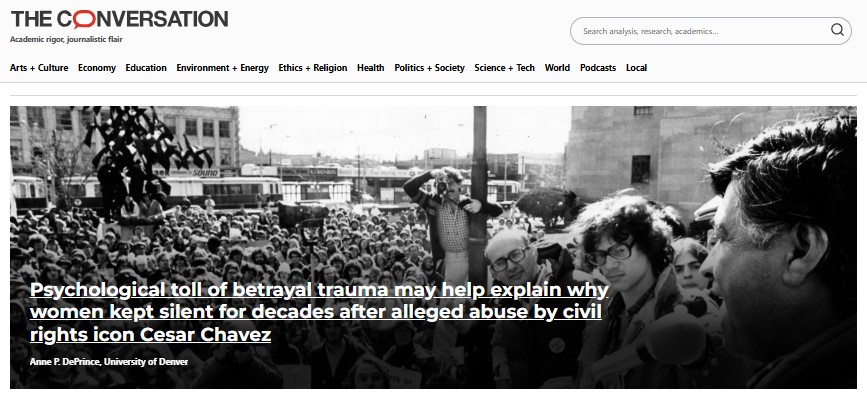
Survivors don’t owe anyone their stories. Yet, when women do decide to share their stories years later, the delay can be used to sow doubt — to wonder why it took so long to for them to disclose what happened. Research on betrayal trauma can help people understand silence. And research on institutional courage canContinue reading “Making Sense of Silence after Abuse: Understanding Research on Betrayal Trauma”
Author Archives: Anne P. DePrince, PhD
Voices That Matter: A New Study for Black Women Survivors of Sex Trafficking
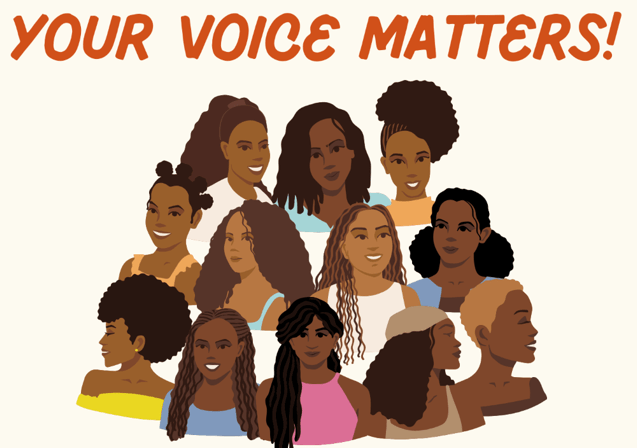
by Courtney McCrimmon (5th Year Graduate Student) January’s National Human Trafficking Prevention Month reminded us of survivors’ resilience and the preventative efforts made to raise awareness and protect vulnerable populations from exploitation. To continue the fight against human trafficking, we must take collective action to stay well-informed, raise awareness, strengthen protective factors, and take more initiative to support survivorsContinue reading “Voices That Matter: A New Study for Black Women Survivors of Sex Trafficking”
Two Languages, One Trauma: Exploring an Untapped Research Space

by Leah Waltrip (3rd Year Graduate Student) Code-switching, or switching between two languages, is a common pattern of communication among bilingual and multilingual individuals. For a long time, researchers viewed code-switching as a sign of language challenges. However, recent research has shown that code-switching indicates stronger mastery of grammatical and vocabulary knowledge in multiple languages.Continue reading “Two Languages, One Trauma: Exploring an Untapped Research Space”
Changing the Conversation in the Wake of the Epstein Files: #Iwas15

All too often, conversations about intimate violence — from child abuse to sexual assault — find their way to some version of victim blame and disbelief. It turns out that blame and disbelief are linked with myths and misperceptions about intimate violence. That means that there’s a role for researchers and practitioners to play inContinue reading “Changing the Conversation in the Wake of the Epstein Files: #Iwas15”
Survivor-Center Care Matters: New Preliminary Findings

by Amber Fredrick New research from our Traumatic Stress Studies Group aimed to answer questions about the real-world impact of survivor-centered care, championed by victim-service providers. For instance, is survivor-centered care was linked to important survivor outcomes – from empowerment and PTSD symptoms to people’s intention to seek help in the future? To answer suchContinue reading “Survivor-Center Care Matters: New Preliminary Findings”
Asthma and Intimate Partner Abuse: Getting the Word out about New Research Findings

When I talk with people about our shared interests in ending violence against women, I often point to healthcare. After all, lots of people are passionate about healthcare — from costs to access and lots in between. Those same people may not think of violence against women as their issue. Yet, one way to addressContinue reading “Asthma and Intimate Partner Abuse: Getting the Word out about New Research Findings”
From Downtown Denver to You: Returning Our Research to the Community

The first week of August brought thousands of psychologists to downtown Denver for the American Psychology Association (APA) annual convention. Across poster sessions, three current TSS Group Team Members Amber Fredrick, Courtney McCrimmon, and Leah Waltrip shared some of our work with colleagues. And now we’re excited to share those posters and that work withContinue reading “From Downtown Denver to You: Returning Our Research to the Community”
Alienation and Trauma in Older Adults

Whether traumas happen earlier or later in life, feeling disconnected means more mental health symptoms. Humans need relationships and connections to survive and thrive. After all, we are social creatures. When one human victimizes another, that betrayal can leave survivors feeling alienated – disconnected and unmoored from themselves and other people. In turn, alienation hasContinue reading “Alienation and Trauma in Older Adults”
Denim Day 2025
Join our team this Denim Day in renewing (or trying on for the first time!) your belief that a different world is possible — one without sexual violence. To read more on Denim Day and change, check out my 2024 post, “When Wearing Jeans is Practice for Building a Better World Together.” And for more onContinue reading “Denim Day 2025”
Your Brain on Relationships: The Story Behind A New Study
by Rebecca Suzuki, TSS Group Team Member In one interview after another, women shared stories of injuries to their heads and necks during intimate partner violence (IPV) – injuries that likely disrupted the normal function of the brain. Across interviews, a pattern emerged: survivors often described multiple lifetime injuries that met screening criteria for aContinue reading “Your Brain on Relationships: The Story Behind A New Study”
 Trauma Research Notes