by Amber Fredrick, TSS Group Member
Among the many burdens of sexual assault are the economic costs. For example:
- Sexual violence contributes to preventable healthcare costs, lost income, legal expenses, and housing instability (Wessells & Kostelny, 2022).
- The economic consequences of sexual violence can persist for years, often compounding trauma and stress (Peterson et al., 2017).
The economic impacts of sexual violence are shaped by intersectionality. For instance:
- Low-income survivors often navigate the lack of affordable healthcare following an assault, prolonging economic hardship for survivors (Loya, 2014).
- Women of Color and Immigrant survivors face systemic barriers to care, including discrimination in both the healthcare and justice systems, which can limit future opportunities for access to care (Bach et al., 2021; Brown & Herman, 2015; Seelman, 2015; Watts & Zimmerman, 2002).
- LGBTQIA+ survivors face challenges with stigma and access to affirming care (Brown & Herman, 2015; Seelman, 2015).
Discrimination or fear of stigma can delay essential care, which means:
- Delayed or avoided care can result in more severe health outcomes, leading to higher long-term health costs in the future, and potential for loss of income (Kraft et al., 2009; Wessells & Kostelny, 2022).
Sexual assault also costs communities. Consider, for example:
- The estimated lifetime cost of rape was $122,461 per survivor, contributing to a nearly $3.1 trillion population cost of sexual violence (Peterson et al. 2017).
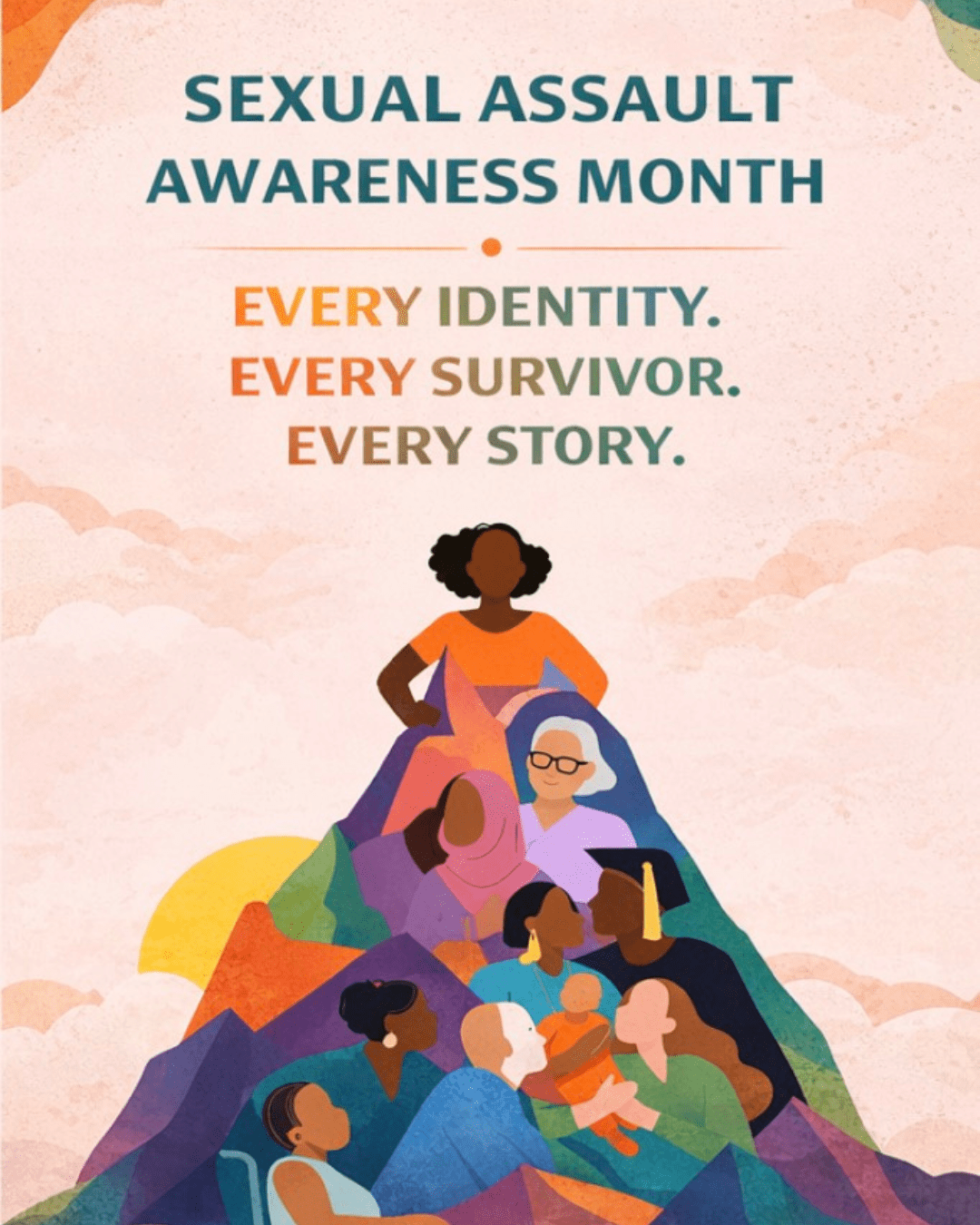
The economic impact of sexual violence requires action and systemic solutions. This SAAM, you can turn awareness of the economic costs of sexual assault into action. For instance:
- Learn about Survivor Funds, which make emergency funds available to survivors. If your community doesn’t have one, collaborate to establish one.
- Donate to organizations that provide emergency funds or legal services to survivors of sexual violence.
***
Check back each Monday in April for a new post from the TSS Group team on sexual assault research that you can use to translate awareness into action.
References
Bach, M. H., Beck Hansen, N., Ahrens, C., Nielsen, C. R., Walshe, C., & Hansen, M. (2021). Underserved survivors of sexual assault: a systematic scoping review. European Journal of Psychotraumatology, 12(1). https://doi.org/10.1080/20008198.2021.1895516
Brown, T. N. T., & Herman, J. L. (2015, November). Intimate partner violence and sexual abuse among LGBT people: A review of existing research. The Williams Institute. https://williamsinstitute.law.ucla.edu/wp-content/uploads/IPV-Sexual-Abuse-Among-LGBT-Nov-2015.pdf
Cusack, S. E., Bourdon, J. L., Bountress, K., Saunders, T. R., Kendler, K. S., Dick, D. M., & Amstadter, A. B. (2021). Prospective predictors of sexual revictimization among college students. Journal of Interpersonal Violence, 36(17-18), 8494–8518. https://doi.org/10.1177/0886260519849680
Kraft, A. D., Quimbo, S. A., Solon, O., Shimkhada, R., Florentino, J., & Peabody, J. W. (2009). The health and cost impact of care delay and the experimental impact of insurance on reducing delays. The Journal of Pediatrics, 155(2), 281–5.e1. https://doi.org/10.1016/j.jpeds.2009.02.035
Loya, R. M. (2015). Rape as an economic crime: The impact of sexual violence on survivors’ employment and economic well-being. Journal of Interpersonal Violence, 30(16), 2793-2813.
Peterson, C., DeGue, S., Florence, C., & Lokey, C. N. (2017). Lifetime economic burden of rape among U.S. adults. American Journal Of Preventive Medicine, 52(6), 691–701. https://doi.org/10.1016/j.amepre.2016.11.014
Seelman, K. L. (2015). Unequal treatment of transgender individuals in domestic violence and rape crisis programs. Journal of Social Service Research, 41(3), 307–325. https://doi.org/10.1080/01488376.2014.987943
Walker, H. E., Freud, J. S., Ellis, R. A., Fraine, S. M., & Wilson, L. C. (2019). The prevalence of sexual revictimization: A meta-analytic review. Trauma, Violence & Abuse, 20(1), 67–80.
Wessells, M. G., & Kostelny, K. (2022). The psychosocial impacts of intimate partner violence against women in lMIC contexts: Toward a holistic approach. International Journal of Environmental Research and Public Health, 19(21), 14488. https://doi.org/10.3390/ijerph192114488
Watts, C., & Zimmerman, C. (2002). Violence against women: Global scope and magnitude. The Lancet, 359,(9313), 1232–1237. https://doi.org/10.1016/S0140-6736(02)08221-1
 Trauma Research Notes
One thought on “Economic Costs of Sexual Violence: #SAAM2026”