For the service providers and survivors with whom our research team works, for our team, for colleagues and students, for friends and loved ones…it has been a very long week.
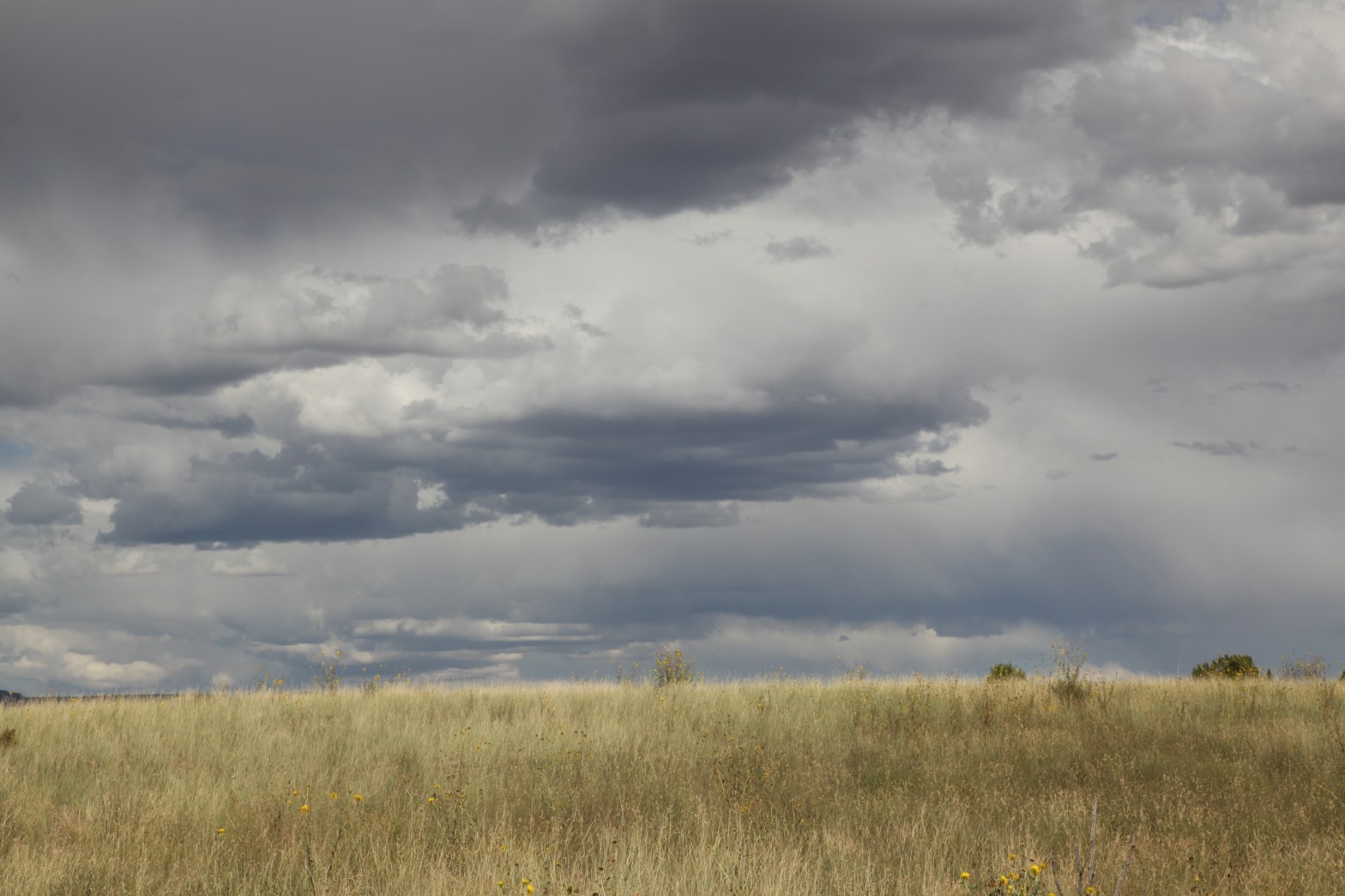
A long 10 days, really, during which rapidly unfolding events have sowed chaos, confusion, and fear. A palpable overwhelm has left many feeling small and alone — like a blade of grass in a raging storm.
In the wake of that storm, lots of us are looking for ways to stay rooted, to live our values, and take meaningful action. And while there’s no single way to do that — no “right” path through difficult times — I’ve been thinking lots about opposite action.
Opposite action is an approach to changing emotions and a key skill in Dialectical Behavior Therapy. The skill starts with recognizing that emotions cause action urges. When we feel fear, we have an urge to hide. Anger drives an urge to attack, shame to isolate, sadness to be still. And so on.
In DBT, then, opposite action is all about doing the opposite of our behavior urges in order to change our emotions. Going out or calling a friend when we are sad instead of following the urge to put our head under the covers. Chipping away at the things that cause us fear despite the urge to avoid them.
Of course, I’m simplifying things here. There’s more to opposite action, including skillfully choosing when and how to use it as one tool among many to build a life worth living.
And yet, the simplicity of the principle is what feels so powerful right now.
A reminder of our power to respond to chaos with calm, deliberative action. To diffuse confusion with clarity of purpose and values, with facts and evidence. To curtail fear by feeding and nourishing our collective courage. To bridge isolation by curating our connection to each other.
It’s a reminder of the power in taking small actions that add up. Texting someone to tell them they matter. Smiling at a stranger because our humanity connects us. Focusing on facts in a sea of speculation. Checking on your neighbor.
What’s your opposite action today?
***
Note: For more on taking action to build a better world together, check out Every 90 Seconds, available from Oxford University Press or:


 Trauma Research Notes